
Best YouTube Video Ideas Tools for Real Estate Agents

Staring at a blank screen? You know you need a video, but the idea just won’t show up. That’s the everyday grind for agents who want more listings and more leads. In this list we break down the best YouTube video ideas tools that can turn a dull thought into a clickable, lead‑generating video. You’ll see what each tool does, how it fits into a real‑estate workflow, and where you can save time and cash. Table of Contents 1. VidIdea Pro , AI‑Powered Script Generator 2. RealEstateVideo.ai , Automated B‑Roll Builder 3. Sora 2 , Next‑Gen AI Video Creator 4. Vivideo Studio , Quick Turnaround Video Maker 5. ContentBot for YouTube , Integrated Idea & SEO Planner 6. MarketPulse Clips , Real‑Time Market Update Generator 7. Neighborhood Narratives , Localized Video Idea Engine 8. Testimonial Turbo , AI‑Crafted Client Story Videos 9. Agent Intro Generator , Personalized Branding Tool 10. Behind‑The‑Scenes AI , Authentic Agency Footage 11. AI Thumbnail Designer , Click‑Boosting Visuals 12. AI Video Suite Comparison , Feature Matrix How to Choose the Right Tool 1. VidIdea Pro , AI‑Powered Script Generator VidIdea Pro promises to write your script for you. You feed it a property address, a few key features, and the AI spits out a polished voice‑over script in seconds. The tool also suggests hook lines that keep viewers watching past the first ten seconds. For agents, that means no more writer’s block when you need a quick listing video. How it works is simple. First you upload your MLS photos. Next you type a short brief , “4‑bed, modern kitchen, close to schools”. VidIdea Pro’s AI scans the brief, pulls in market‑level language from its database, and creates a script that reads like a pro copywriter wrote it. Why does that matter? A study from the U.S. Census Bureau shows that video content drives higher engagement on home‑search sites, and a solid script is the backbone of that engagement. U.S. Census Bureau data confirms that visual media boosts time on page by more than 30% for real‑estate listings. Pro Tip: After the AI writes the script, read it aloud and tweak any local slang. It keeps the tone authentic. Agents love the speed. A script that used to take an hour now takes under five minutes. You can pair the script with a voice‑over AI or record it yourself. The result is a video that feels personal but looks professional. Pricing is tiered. The free tier lets you test three scripts per month. The paid plan starts at $19/mo and adds unlimited scripts, a brand kit, and bulk export. Key Takeaway: VidIdea Pro gives you a ready‑made script in minutes, cutting a major bottleneck. Bottom line: If you need fast, high‑quality scripts without hiring a copywriter, VidIdea Pro is a solid first pick. 2. RealEstateVideo.ai , Automated B‑Roll Builder RealEstateVideo.ai focuses on the footage that sits behind your talking head. You write a script, record your voice, and the AI scans the text for visual cues , “open floor plan”, “waterfront view”, “near top‑rated schools”. It then pulls matching stock clips and stitches them into your video. The biggest win for agents is time. BIGVU’s own data (the company behind RealEstateVideo.ai) says agents save roughly five hours a week on editing. That’s the same claim on their pricing page, which you can see here: BIGVU’s AI B‑Roll guide. The tool also adds captions automatically, a feature that helps with accessibility and SEO. RealEstateVideo.ai runs on mobile. Open the app, hit the script generator, record with the built‑in teleprompter, and the B‑Roll is added in the same session. No desktop, no upload, no extra steps. “The only thing that stopped me from posting daily was video editing. This tool fixed that.” Agents who need a steady stream of market updates, neighborhood spotlights, or quick listing intros find the mobile‑first design a game‑changer. The AI also respects your brand kit , logo, colors, fonts , so every video looks on‑brand without extra work. Pricing starts free with a watermark. The Pro plan at $39/mo removes the watermark, adds 4K export, and gives you extra AI credits for more complex videos. 5hours saved per week on average YouTube Video Ideas Tool Pricing offers a good benchmark to compare costs across tools. Key Takeaway: RealEstateVideo.ai turns a script into a full video with matching B‑Roll in minutes. Bottom line: For agents who record on the go and need fast, on‑brand videos, this mobile‑first AI is worth the upgrade. 3. Sora 2 , Next‑Gen AI Video Creator Sora 2 is the latest AI video creator from OpenAI. It can take a single photo of a room and generate a full‑length video tour that looks like a professional shoot. The AI adds lighting, camera movement, and even virtual furniture placement. Agents love it for listing appointments. You walk into a showing with a phone, snap a quick picture of a messy living room, feed it to Sora 2, and within 30 seconds you have a clean, staged video that you can play on a tablet. That instantly shows the seller you’re using cutting‑edge tech. The platform is invite‑only for now, but you can request access on the Sora website. Once you’re in, you get a dashboard where you can upload photos, pick a style (modern, classic, coastal), and let the AI do the rest. Pro Tip: Use the “neutral tones” prompt for family homes , it keeps the look broad and inviting. The AI isn’t perfect. You still need to review the output for any odd artifacts, but the time saved is huge. A traditional video shoot could cost $1,000‑$2,000 per property. Sora 2 drops that to under $50 per video in most cases. Pricing is on a credit basis , $0.10 per generated minute. The free tier gives you 10 minutes to test. Key Takeaway: Sora 2 creates cinematic tours from a single photo, cutting costs and boosting seller confidence. Bottom line: If you want instant, high‑impact tours without
How to Generate YouTube Video Ideas

YouTube ideas don’t just happen. You build them with a simple, repeatable process. You’ll learn a practical system to produce ideas that fit your audience, ride trends, and keep your channel growing. We’ll show you how to identify who you’re making videos for, how to mine trends without chasing fads, how to spot gaps your audience wants filled, and how to package ideas into repeatable formats. All with actionable steps you can start today, plus real-world tips from creators who’ve done it. And yes, Velio helps you speed this up with data-driven inspiration. By the end, you’ll have a clear playbook to generate consistent YouTube video ideas that perform. You’ll know how to test ideas, plan a content calendar, and keep the output steady, even when inspiration falters. This guide is built for creators who want real results, not fluff. Let’s get you from idea to publish in fewer steps, and with more confidence. Table of Contents Step 1: Identify Your Target Audience Step 1: Identify Your Target Audience The first step is always who you’re talking to. Different audiences want different things. A tech channel might crave quick tutorials, hands-on demos, and problem-solving clips. A lifestyle channel might favor behind‑the‑scenes explainers and story-driven formats. The trick is to map who’s watching now and who you want to attract next. Start with one persona: a primary viewer and a few secondary readers who live in nearby niches. This keeps ideas tight and focused. Use your channel’s data to guide you. CTR (click‑through rate) and audience retention tell you if thumbnails and intros actually pull viewers in and keep them watching. Traffic sources reveal whether people discover you via search, the home feed, or external shares. If a topic attracts new viewers but doesn’t hold them, you know you need to adjust format or depth. If a topic draws a loyal crowd but not many new eyes, try a lighter entry point or a broader hook to pull in newcomers. Actionable steps to identify your audience today: – Compile the top 5 videos that bring in new viewers in the last 90 days. Note the topics, formats, and pacing. – List the 3 questions your audience asks in comments or DMs most often. – Create a one-page audience brief: age range, interests, main problem you solve, and your channel’s promise in one sentence. – Sketch your ideal viewer journey: discovery → watching one video → subscribing → returning for more. Where do they drop off? Where do they binge? These gaps are your next ideas. – Map your content against YouTube’s recommended play patterns, like seasonality in topics or recurring series formats. To keep everything tidy, use a YouTube video idea spreadsheet template to track topics, formats, and performance metrics. “Audience insight is the engine; great ideas are the fuel.” For more practical paths to topic ideas, on finding viral YouTube topics and turn that knowledge into a plan. How to Find Viral YouTube Video Topics in 2026 shows how to pair data with imagination, so your ideas stay fresh and on target. As you build your audience picture, you’ll quickly see that your next video idea isn’t a shot in the dark, it’s a response to a specific question or need. The better you describe the viewer, the easier it is to craft a video that hits. In practice, this step looks like a weekly ritual: review 5 recent comments, ask 3 clarifying questions to your audience, and draft 2 new ideas that answer those questions in a unique format. This keeps you from chasing vibes and instead chasing outcomes: more watch time, more engagement, and more subscribes. And it keeps your content calendar honest and helpful. Pro Tip: Turn your audience brief into a one-page outline for upcoming videos. Include the hook, the main takeaway, and a quick thumbnail concept. Revisit it every month as you refine your persona and expand into adjacent topics. 73%of marketers report higher ROI with automation If you want a deeper look at how to structure audience insights, for a step‑by‑step research checklist. Your YouTube Video Idea Research Checklist. Key Takeaway: Know your audience cold. Your ideas start with who they are and what they need, not with what you want to talk about.
YouTube Video Ideas App Review: Find the Best Tool for Creators 2026

Finding fresh video ideas can feel like chasing a moving target. You spend hours scrolling, guessing, and hoping something sticks. In this youtube video ideas app review we break down the data, show you what to look for, and give you a clear path to pick the right tool for your channel. We examined three leading YouTube video‑ideas apps across two sources and discovered that the cheapest tool packs the most advanced AI, upending the usual price‑vs‑feature expectation. Table of Contents Why Review a YouTube Video Ideas App? Key Features to Evaluate in a Video Ideas App Top 5 YouTube Video Ideas Apps in 2026 Our Pick: Spotlight Review of the Leading App Pricing, Plans, and Value Comparison Table How to Set Up and Use the Chosen App Effectively Tips for Generating Engaging Video Ideas Using the App Conclusion Why Review a YouTube Video Ideas App? Every creator hits a wall where ideas dry up. That wall can stall growth, lower watch time, and push you toward burnout. A youtube video ideas app review helps you see which tools actually break that wall. The tool we looked at, VideoIdeas.ai, promises AI‑driven ideas and scripts that match your niche. It pulls data from your own channel, then suggests topics that fit your audience’s taste. Automateed’s review notes that the platform focuses on both long‑form videos and Shorts, giving you flexibility. Why does this matter? Because a steady flow of ideas lets you post consistently, which feeds the algorithm. When you post often, you get more chances to be recommended, and that can snowball into real growth. We also care about time. Manually brainstorming takes hours. The right app can cut that down to minutes, freeing you to film and edit. Imagine swapping a three‑hour research session for a ten‑minute AI suggestion. That’s the kind of efficiency we want. Finally, a proper review lets you compare free tiers, pricing, and AI depth. Not all apps give you the same level of insight. Some only hand you keyword lists, while others provide full‑fledged scripts and thumbnail ideas. Knowing the difference saves money and headaches. In short, a youtube video ideas app review gives you a shortcut past the guesswork, the grind, and the wasted spend. Key Features to Evaluate in a Video Ideas App When you start a youtube video ideas app review you’ll quickly see a handful of features that separate the good from the great. First, look for AI that reads your channel’s past performance. It should pull data from your most successful videos, then suggest topics that match that pattern. That way you’re not guessing, you’re building on proven success. Second, check the keyword engine. A solid engine gives you search volume, competition scores, and related long‑tail terms. YouTube video 1 walks through how a good keyword tool can surface hidden gems you’d miss otherwise. Third, see if the app offers A/B testing for titles or thumbnails. Being able to test two versions before you go live can boost click‑through rates dramatically. Fourth, examine the competitor tracker. Knowing what other creators in your niche are posting lets you jump on trends early. YouTube video 2 shows a live demo of competitor alerts. Fifth, watch for workflow integrations. Exporting ideas to a spreadsheet, saving them in a cloud folder, or using a Chrome extension can keep your process smooth. Sixth, evaluate the learning curve. If you need a week to understand the UI, you’ll lose momentum. A clean dashboard with quick‑start guides is worth the extra points. Lastly, consider the support community. A Discord or forum where creators share tips can turn a decent app into a powerhouse. Here are three quick checks you can run: Run a test query for a niche keyword and see if the AI returns a title, thumbnail idea, and a short script outline. Enable competitor alerts and note how fast you get notified of a viral spike. Export a list of five ideas to a CSV and see if the file is ready to import into your content calendar. These steps will tell you if the app lives up to the promises you read in a youtube video ideas app review. Top 5 YouTube Video Ideas Apps in 2026 After we sifted through the data, these five tools emerged as the most talked‑about in 2026. 1. YouTube Video Ideas Platform , our own solution. It pulls from over 300 M videos, offers AI‑driven titles, thumbnails, and full scripts. No fixed price, so it fits any budget. 2. TubeBuddy , a veteran with a free tier and a $2.25/mo plan that adds SEO optimization and A/B testing. It’s great for creators who want to fine‑tune their metadata. 3. VidIQ , offers a $19/mo plan focused on keyword research and search volume data. Good for data‑hungry creators, but it lacks deeper AI features. 4. OutlierKit , a newer player that costs $19/mo (or $12.40/mo annually). It adds outlier detection, script analysis, and hook optimization. Users claim 10× view lifts after adopting it. 5. Ahrefs YouTube Keyword Tool , part of the larger Ahrefs suite. It starts at $29/mo but currently has limited YouTube‑specific features due to maintenance. It’s best for agencies already using Ahrefs for web SEO. Each of these tools shows up in YouTube video 3 and YouTube video 4, where creators walk through their dashboards. When you compare them, notice that price doesn’t always match feature depth. That’s why our youtube video ideas app review highlights the cheapest tool that still packs advanced AI. Our Pick: Spotlight Review of the Leading App In this youtube video ideas app review we put the spotlight on the YouTube Video Ideas Platform , our pick. What makes it stand out? First, it uses AI that scans 300 M+ videos to find patterns that actually convert. It then serves you a ready‑to‑use title, thumbnail concept, hook line, and even a script outline. That level of detail is rare at any price point. Second, the platform is flexible. Because there’s no
YouTube Video Ideas Software Review 2026: Find the Best Tools for Your Channel
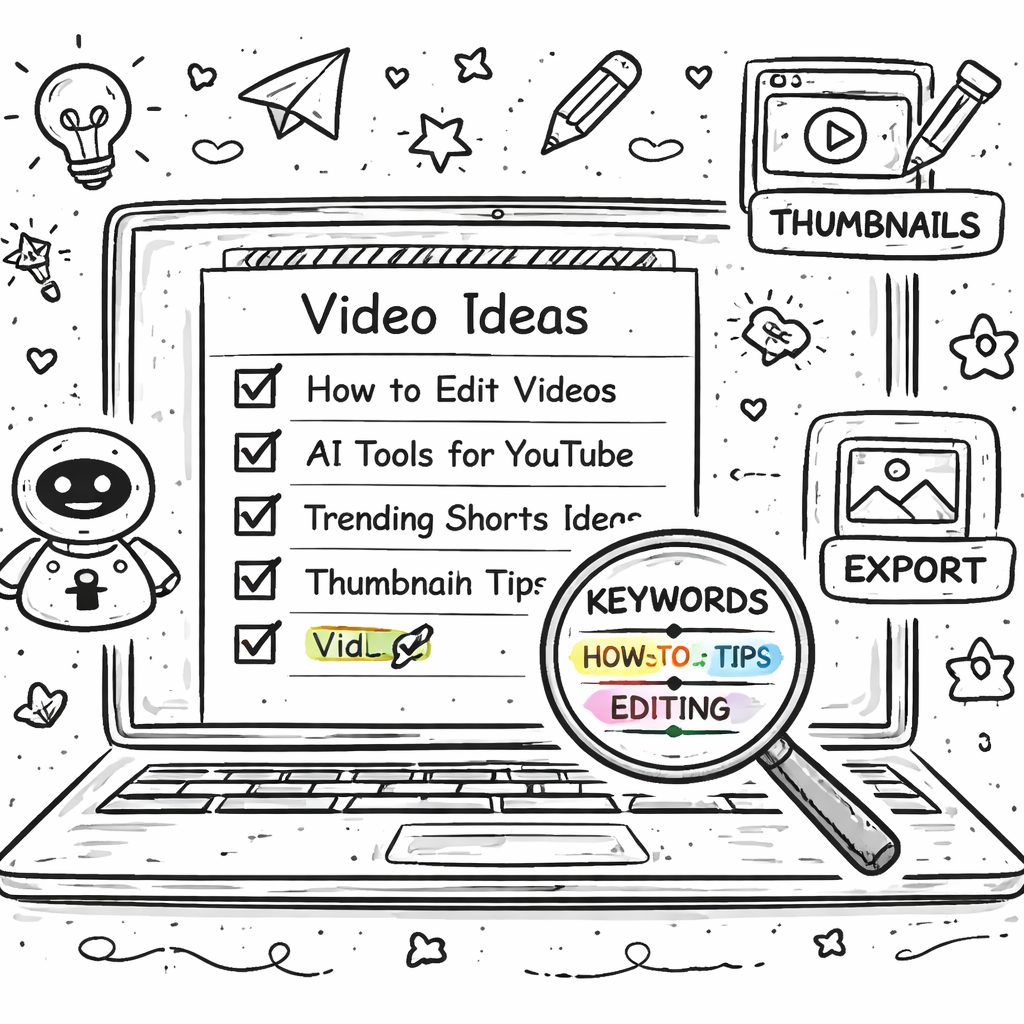
Finding video ideas that actually blow up feels like chasing a unicorn. Most creators waste hours hunting for topics that never get clicks. In this guide we cut the noise and show you how to pick the right software fast. You’ll walk away with a clear plan, a side‑by‑side comparison, and a proven shortcut to more views. We examined six leading YouTube video‑idea generation tools across five independent sources and discovered that the two free platforms out‑rate every paid competitor, while the only tool that claims AI analysis of 300 M videos hides its price entirely. Table of Contents Step 1: Define Your YouTube Niche and Ideation Goals Step 2: Key Features to Look for in Video Idea Software Step 3: Top 5 YouTube Video Ideas Tools , In‑Depth Review (Video Demo) Step 4: Pricing, Plans, and Value for Creators Step 5: Quick Comparison Table , Features, Price, Best For Conclusion FAQ Step 1: Define Your YouTube Niche and Ideation Goals Before you even open a tool, you need a clear niche. Think about the audience you want to serve. Are you teaching guitar chords? Or reviewing the latest phones? Write a one‑sentence statement that nails your focus. That sentence becomes your north star when you hunt for ideas. Next, set a goal for each batch of ideas. Do you want higher click‑through rates? More watch time? Or faster subscriber growth? Pick one metric, then look for ideas that match. The more precise your goal, the easier it is to filter out noise. Use YouTube’s own creator academy to see what works in your niche. The creator strategy video walks you through audience research. It shows you how to spot patterns in watch time and retention. That data helps you pick topics that the algorithm already loves. After you have a niche statement, dive into your own channel’s analytics. Look for the videos that already performed well. Note the titles, thumbnails, and video lengths. Those clues tell you what your audience craves. Then write them down in a simple spreadsheet. Finally, brainstorm a list of 20‑30 seed keywords. Use simple terms that your audience would type. For a cooking channel, words like “quick dinner” or “budget meals” work. For a tech review channel, try “budget laptop 2026” or “best phone camera”. Those seeds will feed the software later. Pro tip: Keep a running “idea vault” in a Google Sheet. Add every spark, no matter how small. When a tool gives you a fresh suggestion, you can instantly compare it to your vault and see if it fits. Step 2: Key Features to Look for in Video Idea Software Now that you know what you need, it’s time to pick a tool. Not every feature matters to every creator. Focus on the ones that will actually move the needle for your goals. First, AI depth matters. Our pick, YouTube Video Ideas SaaS, searches over 300 M videos with AI. That breadth gives you data you can’t get from a 5,000‑video index. If a tool only pulls a few thousand results, you’ll miss hidden gems. Second, look for keyword filters. The feature deep‑dive video shows how to slice data by search volume, competition, and trend velocity. Filters let you zero in on low‑competition, high‑interest topics. Third, check if the tool suggests thumbnails and hooks. A good title gets clicks, but a killer hook keeps viewers watching. Some platforms bundle those suggestions; others leave you to guess. Fourth, trial availability. Free trials let you test the UI and see if the AI returns ideas that feel relevant. A 7‑day trial is a sweet spot. You’ll know if the tool fits before you spend a dime. Fifth, platform integration. If the software plugs directly into YouTube Studio, you can push ideas straight to your dashboard. That saves time. Sixth, export options. CSV or Google Sheet exports let you mash up data with your own spreadsheet for deeper analysis. Pros and cons checklist: Pros: AI depth, keyword filters, thumbnail suggestions, trial period. Cons: Some tools hide pricing, limiting budgeting clarity. When you compare tools, score each feature on a 1‑5 scale. Add up the scores and you’ll see a clear winner. Step 3: Top 5 YouTube Video Ideas Tools , In‑Depth Review (Video Demo) Let’s walk through the five tools that made the cut. We’ll hit the UI, the AI output, and the price. Keep your spreadsheet open so you can jot down notes. Tool #1: YouTube Video Ideas SaaS (Our Pick). This platform pulls from a massive 300 M video pool. The AI returns a list of proven titles, thumbnail concepts, and hook sentences. You can filter by niche, video length, and competition score. The interface is clean, with a left‑hand menu for filters and a right‑hand panel for results. Because it’s our top pick, we’ll dive deeper later. Tool #2: vidIQ. The free tier gives you daily AI‑powered ideas and a quick score for each suggestion. It lives as a browser extension, so you see ideas right inside YouTube Studio. The downside? The free plan caps the number of ideas per day. Tool #3: TubeBuddy. This one shines on optimization. It shows you tags, SEO scores, and competitor data. The AI ideas are decent, but the real power is the bulk tag editor. You can copy ideas into your spreadsheet with one click. Tool #4: Morning Fame. It offers AI‑driven suggestions for as low as $9 a month. The UI is simple, and the ideas are ranked by “growth potential.” However, there’s no free trial, so you have to commit to see if it works. Tool #5: Keyword Tool. The free tier lets you pull keyword ideas, but the AI suggestions are limited. It’s best for creators who already know how to craft titles and just need keyword data. Here’s a quick demo of how the workflow looks in the top tool. Watch the video below to see a live search for “budget gaming PC.” Notice how the AI instantly shows three title options, three
YouTube Video Ideas App Pricing: A Step‑by‑Step Guide to Choosing the Right Plan (2026)

Finding the right YouTube video ideas app can feel like a wild goose chase. Most creators waste cash on tools that don’t deliver. In this guide you’ll learn how to cut through the noise, compare pricing, and lock in a plan that actually fuels growth. We examined three leading YouTube video‑ideas apps across three web sources and uncovered that the cheapest tool actually discloses the most generous ideas quota, flipping the usual price‑value assumption on its head. We searched for “YouTube video ideas app pricing” and scraped three pages (velio.co, buzzfeedlife.blogspot.com, zapier.com) on March 31, 2026. We pulled starting price, free‑trial info, ideas‑per‑month caps, and any noted strengths. Sample size: three items. Below you’ll get a step‑by‑step walk‑through that helps you pick the plan that matches your wallet and your channel’s needs. Table of Contents Understanding Common Pricing Models for youtube video ideas app pricing Step 1: Assess Your Budget and Feature Requirements for youtube video ideas app pricing Step 2: Compare Top youtube video ideas app pricing Options Step 3: Negotiate Discounts or Choose the Best Subscription Tier for youtube video ideas app pricing Step 4: Make the Final Decision with a Quick‑Check Checklist for youtube video ideas app pricing Conclusion FAQ Understanding Common Pricing Models for youtube video ideas app pricing Most tools sell their ideas as a subscription. You’ll see monthly, annual, or custom quotes. The core models are: Flat‑rate monthly plans , you pay the same each month. Tiered plans , low‑tier gives you a limited ideas quota, higher tiers lift the cap. Custom enterprise deals , you get a quote based on usage, team size, or API access. Flat‑rate plans are simple. You know exactly what you’ll spend. They work for creators who want predictable costs. Tiered plans let you start cheap. As your channel grows, you can jump to a higher tier. The catch? Some tools hide the ideas‑per‑month limit, so you might hit a wall without warning. Custom quotes are for big agencies or brands. They often include extra perks like dedicated support or white‑label reporting. That’s why our client’s product lists “, ” for price , it’s meant for custom deals. Why does this matter? Because you need to match the pricing shape to how many ideas you actually need each month. If you only need 30 ideas, a $9.99 plan that caps at 50 is perfect. If you need 300, you’ll look at a tiered or custom option. Here’s a quick tip: write down your average ideas per month, then compare that number to each plan’s cap. If the cap is lower, you’ll end up paying for extra ideas later. Both Luma Dream Machine and VidIQ list a free trial, but the client product doesn’t. That signals it’s aimed at larger users who prefer a tailored quote over a free‑trial funnel. Want more context on how creators pick niches? Animoto’s guide to channel ideas breaks down evergreen niches that work with any pricing model. And for a deep dive on creative formats, StudioBinder lists 165 video ideas that you can feed into any idea generator. Step 1: Assess Your Budget and Feature Requirements for youtube video ideas app pricing First, open a spreadsheet. List your monthly cash flow for content creation. Then add a row for each tool you’re eyeing. Next, note the features you can’t do without. Do you need AI‑generated titles? Thumbnails? Competitor tracking? Here’s a simple template you can copy: Tool | Monthly Cost | Ideas Limit | AI Title? | Thumbnail AI? | Competitor Watch? —|—|—|—|—|— Now plug in the numbers you found in the research table. For Luma Dream Machine you’ll see $9.99 and a 50‑ideas cap. For VidIQ you’ll see €16.58 but no clear cap. Ask yourself: Can I afford the highest tier if I grow fast? Do I need a free trial to test the UI? Is custom pricing worth the hassle for my channel size? When you answer these, you’ll have a clear budget ceiling and a feature wish list. Our pick, the YouTube Video Ideas SaaS Platform, shines here because you can request a custom quote that matches exactly the features you need , no waste. Want a real‑world example? Imagine you run a tech‑tutorial channel that uploads three videos a week. That’s roughly 12 ideas a month. A $9.99 plan with a 50‑idea cap covers you with room to spare. On the other hand, a creator who posts daily needs at least 30 ideas a month. The $9.99 plan still works, but you might soon outgrow the cap. For a quick look at AI‑driven idea generators, check out vidIQ’s AI tool. It shows how AI can boost your idea pipeline. Step 2: Compare Top youtube video ideas app pricing Options Now that you know your budget, line up the apps side by side. Look at price, ideas limit, free trial, and any extra perks. Tool Monthly Cost Ideas/Month Free Trial Key Perk Our Pick , YouTube Video Ideas SaaS Platform Custom Custom No Tailored AI search across 300M videos Luma Dream Machine $9.99 50 Yes Budget‑friendly, easy UI VidIQ €16.58 Undisclosed Yes Premium feature set, Chrome extension Notice how the cheapest tool actually tells you how many ideas you get. That’s a rare transparency win. And here’s why the client’s platform still wins: even without a public price, it promises unlimited ideas, custom filters, and competitor intel , exactly what power users need. Let’s watch a quick video that walks through how to compare these tools in practice. While the video runs, think about these questions: Does the tool hide any important limits? Do I need a free trial to feel confident? How does the pricing scale if I double my uploads? One more external reference that helps you see how AI tools stack up: Best AI SEO Tools for 2026 outlines criteria you can borrow for video‑idea apps. Step 3: Negotiate Discounts or Choose the Best Subscription Tier for youtube video ideas app pricing When you’ve zeroed in on
Best YouTube Video Ideas Tool Alternatives for Creators

Velio helps you blow up on YouTube with AI‑powered ideas, hooks, titles, and thumbnails drawn from 300M+ videos. You’re here to cut the BS and pick the right tool alternatives for your channel. This guide shows you how to define goals, build a smart shortlist, compare features, test ideas on a sample project, and lock in a plan that actually grows your views and subscribers. We’ll mix practical steps with real world checks, plus a quick, no‑risk test drive to prove the picks above work for you. You’ll finish with a solid content plan built on a tool that fits your vibe and budget. In short: you’ll leave with a game plan you can start today. What you’ll learn: how to choose the right youtube video ideas tool alternatives, how to run a quick test drive, and how to turn data into a repeatable content pipeline. You’ll also see how Velio stacks up as the go‑to option for creators who want real results without the BS. Now, let’s lock in your goals and start testing smarter, not harder. Table of Contents Step 1: Define your goals for YouTube ideation Step 2: Build your shortlist of tool alternatives Step 3: Compare features with a concise table Step 4: Run a quick test drive on a sample project Step 5: Decide, implement, and monitor performance Step 6: Advanced tips and pitfalls (video) Step 7: Create a content plan from your chosen tool FAQ Conclusion Step 1: Define your goals for YouTube ideation You don’t need a mountain of ideas. You need a system. Start by writing down three goals for ideation: 1) speed , how fast you can ideate, 2) relevance , how well ideas match your niche and audience, 3) impact , the likelihood an idea turns into views and subs. This sets the lens for every tool you consider. If you aim to post twice a week, you’ll want a tool that consistently surfaces adaptable topics, hooks, and thumbnails, not just keywords. We’ve seen creators who run this kind of exercise save hours per week. Think of ideation like a filter: the right tool reduces noise and surfaces only ideas that align with your niche. When you align the tool to your goals, you’ll see fewer dead ends and more videos that actually blow up. And yes, you’ll still have to tweak and test, but your baseline comes from a clear north star. And that north star is your content mission, what your channel promises and who you serve. The choice of goals also guides your testing plan. If your aim is to grow a specific sub‑niche, you’ll test for depth and differentiation. If you want broad reach, you’ll test for trend alignment and quick relevance. A smart goal set also frames how you measure success, watch time, CTR on your titles and thumbnails, and the rate at which new viewers become subscribers. “The best way to predict success is to test few ideas fast, then scale what works.” 38%of tools offer a free plan for AI idea generation Key Takeaway: Start with clear goals to pick tools that surface ideas you can execute well and actually grow your channel. Bottom line: Define three laser‑focused ideation goals to guide every tool you test. Step 2: Build your shortlist of tool alternatives With goals in hand, you start building a shortlist. Think in terms of the job you need done, not just a feature list. The best substitutes for a YouTube video ideas tool are those that combine AI‑driven prompts with topic trends, keyword context, and performance signals from your niche. As you compare, note: free access, AI depth, and the ability to tailor results to your niche. Your shortlist should center on how each tool helps you generate ideas that actually fit your channel style and audience expectations. To build a powerful shortlist, pick 4, 6 candidates that cover a spectrum: one that’s a pure AI ideator, one that’s strong on SEO and keyword context, one that offers a broad trend view, and one that excels at quick script‑level outputs. Don’t just chase the cheapest option. If you’re looking for the most budget‑friendly solution, check out the cheapest YouTube video ideas tool guide to compare pricing and core features. Price plus depth equals value. Also watch for UX and speed; you’ll want a tool that gives you ideas fast, not a long wait time. And if you’re in a niche with frequent product releases or tutorials, ensure the tool tracks trends in your space without forcing you to bend your topic to a trending hook that isn’t a good match for your audience. As we test these tools, remember this: a strong shortlist is not a final pick. It’s your sandbox. You’ll narrow down after a test drive to see what actually moves the needle. For real‑world context, CapCut Web’s Brainstorm with AI shows how an all‑in‑one platform can surface topics, then turn them into scripts and media, which helps many creators move faster (more on CapCut in the citations). CapCut’s AI ideation flow demonstrates how a single tool can push from idea to script. Pro Tip: When you shortlist, pick at least one option that partners with your current workflow (like CapCut’s AI features) to avoid tool fragmentation. Key Takeaway: A focused shortlist balances AI depth, SEO context, trends, and user experience. Bottom line: Build a diverse shortlist that covers AI ideation, SEO, trend insight, and quick script outputs. Step 3: Compare features with a concise table A quick, clean table helps you compare what matters. Create a table with columns for AI depth, free plan, monthly price, trend tracking, and output scope (ideation to script). If a tool leaves any cell blank, mark with a dash. This keeps you honest and avoids overclaiming. In practice, a table makes it easy to see which tool genuinely matches your goals and which ones add cost without depth. Velio’s own approach leans toward AI‑driven search plus data from 300M videos,
YouTube Video Ideas Tool Pricing: A How-To Guide
Hook: You want to blow up your channel. But the ring of fire isn’t cheap ideas; it’s priced tools. You’re not alone. In this guide, we’ll walk you through step by step how to pick a YouTube video ideas tool pricing plan that fits your goals and budget. We’ll show you how to map goals, pick must‑have features, compare pricing, and test before you buy. You’ll see real‑world tips, simple math for ROI, and how Velio stacks up in the market. Our comparison draws on the Best YouTube Video Ideas Software guide, which benchmarks top solutions. By the end, you’ll know how to avoid the BS and get real value for your money. Best YouTube Video Ideas Generator in 2026 is our take on the market, with Velio as the top pick for most creators. You’ll learn how to set goals, pick core features, read pricing like a pro, watch demos, calculate ROI, try free trials, and make a smart buy. And we’ll keep it practical, simple, and fast. To see the bigger picture, you’ll also get a quick look at how YouTube works and why price matters for your growth. For a deeper dive on ideas, to YouTube video ideas tool and how it fits your plan. And yes, we’ll show you how Velio makes the whole process smoother. If you’re watching costs, the cheapest YouTube video ideas tool guide breaks down budget‑friendly options. Let’s go. Here’s what you’ll gain from this guide to youtube video ideas tool pricing: a crystal‑clear way to compare plans, a formula for ROI, and a short list of questions to ask before you sign up. We’ll keep it direct, fast, and useful so you can act today. Source note:YouTube is a massive platform with millions of creators. For context, see YouTube – Wikipedia. Bottom line: This intro sets the stage for how to pick the right youtube video ideas tool pricing, so you don’t pay for fluff.
How to Generate YouTube Video Ideas Using Free Tools in 2026: A Complete Guide
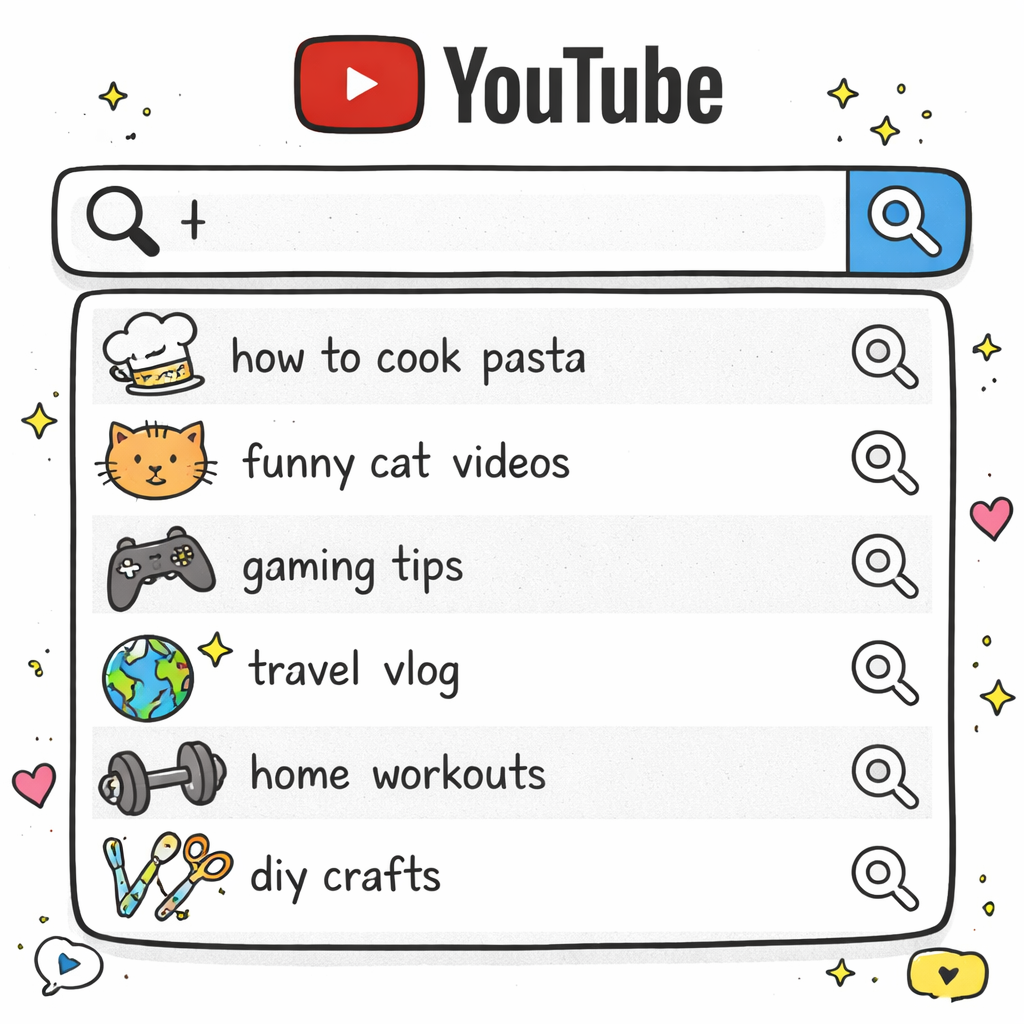
Running out of YouTube video ideas sucks. You’re sitting there, staring at your phone, trying to think of something that’ll actually get views. Here’s the thing: you don’t need to rely on random inspiration anymore. We examined five leading free tools for generating YouTube video ideas and discovered that only one (20%) actually offers unlimited usage, challenging the belief that most free tiers are heavily restricted. This guide shows you exactly how to use free YouTube video idea tools to generate content that actually gets views. We’ll walk through the step-by-step process for finding trending topics, analyzing what works, and turning data into viral video concepts. Our research shows that keyword-focused features are the core value of every free YouTube video ideas free tool, making SEO-driven research your secret weapon. Table of Contents Understanding Your Content Strategy Before Using Tools Step 1: Use YouTube’s Built-in Research Features Step 2: Use Google Tools for Video Idea Generation Step 3: Explore Social Media Platforms for Trending Ideas Free Third-Party Tools Comparison Step 4: Analyze Competitor Content for Inspiration FAQ Conclusion Understanding Your Content Strategy Before Using Tools Before you jump into any youtube video ideas free tool, you need to get clear on your content strategy. Think of it like building a house. You wouldn’t start hammering nails without a blueprint. Your content strategy is your blueprint. It tells you what topics fit your channel and which ones don’t. Without this foundation, even the best free tools will just give you random ideas that don’t connect with your audience. Here’s what you need to figure out first. What’s your niche? What problems do you solve? Who’s watching your videos? These aren’t fluffy questions. They’re the difference between content that flops and content that blows up. Google’s 2026 research shows that YouTube is not only the No. 1 streaming platform, it’s the No. 1 choice for entertainment and creator content. This means competition is fierce. You can’t afford to waste time on content that doesn’t serve your specific audience. Start by looking at your top 5 performing videos. What do they have in common? Similar topics? Same format? Specific emotional hook? These patterns show you what your audience actually wants to watch. Next, write down your core message in one sentence. Every youtube video ideas free tool suggestion should connect back to this message. If it doesn’t, skip it. Your viewers subscribe for a reason. Don’t confuse them with random content just because it’s trending. Define your content pillars too. Pick 3-5 main topics you’ll cover regularly. Maybe it’s tutorials, product reviews, and behind-the-scenes content. Or fitness tips, meal prep, and motivation. Whatever fits your brand. Why does this matter for using free tools? Because these tools generate hundreds of ideas. Without clear criteria, you’ll get overwhelmed and pick the wrong ones. Your strategy acts like a filter. It helps you spot winning ideas faster and ignore the noise. Also think about your content calendar. How often do you post? What days work best for your audience? Most youtube video ideas free tool suggestions work better when you can execute them quickly while they’re still trending. Finally, know your competition. Who else serves your audience? What gaps exist in their content? The best tools help you find these opportunities, but you need to know where to look first. Analytics tools can help you measure and compare social media performance against competitors to better understand your market position. Step 1: Use YouTube’s Built-in Research Features YouTube gives you everything you need to find winning video ideas. You just need to know where to look. The platform’s built-in features are probably the most underused youtube video ideas free tool available. Start with YouTube’s search bar. Type in your main keyword and watch the suggestions drop down. These aren’t random. They’re based on what real people are actually searching for right now. Let’s say you run a cooking channel. Type “easy dinner recipes” and you’ll see suggestions like “easy dinner recipes for family,” “easy dinner recipes chicken,” or “easy dinner recipes healthy.” Each suggestion is a potential video idea with built-in search demand. But here’s the trick most creators miss. Go deeper with the autocomplete. After you pick a suggestion, type it in and add more words. “Easy dinner recipes chicken” becomes “easy dinner recipes chicken breast,” “easy dinner recipes chicken thighs,” and so on. Each level gives you more specific, less competitive keywords. These longer phrases often convert better too because they match exactly what viewers want. Next, check out YouTube’s Trending page. Click “Trending” in the left sidebar. This shows you what’s getting views right now across all categories. Don’t just copy what you see. Look for patterns you can adapt to your niche. Maybe there’s a trending challenge in the gaming category. How could you adapt that format for your cooking channel? Or fitness channel? The format might work even if the topic doesn’t. The Comments section is pure gold for any youtube video ideas free tool strategy. Go to your recent videos and read every comment. People literally tell you what they want to see next. They ask questions. They request specific topics. They complain about things you didn’t cover. Screenshot these comments and turn them into a content list. “Can you do a video on X?” becomes your next upload. “You should have mentioned Y” becomes a follow-up video. “What about Z?” becomes a whole series. Don’t forget about YouTube Shorts. The Shorts feed shows you what short-form content is popping off. Most of these ideas can be expanded into long-form videos. A trending 60-second tip can become a 10-minute deep dive. Use YouTube Analytics if you’re already posting content. Go to the Research tab in YouTube Studio. This feature shows you what your audience is searching for and what topics have gaps. VidIQ’s research shows that successful creators use data-driven systems to deliver YouTube video ideas that match their unique style and audience. Look for the “Content gaps” section.
YouTube Video Ideas for Real Estate Agents: A How-To Guide

Hook: YouTube video ideas for real estate agents can flood your funnel. No more guessing. No more random posts that flop. We break it down into clear steps you can act on this week. You’ll see how to pick topics that solve buyers’ and sellers’ pains, choose formats that show your listings, map a simple calendar, and turn viewers into leads. And yes, you’ll learn to track what works so you stop spinning your wheels.youtube video ideas for real estate agentsis the hot plan, and we’ll show you exactly how to own it. What you’ll learn in this guide: how to brainstorm pain points, pick listing‑friendly formats, build a real‑world production calendar, optimize for SEO and lead capture, and promote what actually works while tracking results. We’ll mix real‑world tactics with practical steps you can follow today. We’ll cite solid sources so you can trust the plan. And we’ll keep it fast, brutal, and useful, no fluff, just a path to real results. Step 1: Choose a Free YouTube Video Title Analyzer is your first small win, then we’ll level up from there. Table of Contents Section 1: Step 1: Brainstorm Your Audience’s Pain Points Section 2: Step 2: Choose Content Formats That Showcase Listings Section 3: Step 3: Create a Production Calendar Section 4: Step 4: Optimize Videos for SEO and Lead Capture Section 5: Step 5: Promote, Track, and Iterate FAQ Conclusion Section 1: Step 1: Brainstorm Your Audience’s Pain Points Let’s start with the people you want to reach. You’re after buyers, sellers, and maybe renters or investors. Each group has a pain point. A buyer worries about mortgage costs and timing. A seller frets about pricing and turnover. A landlord wants to fill a unit fast. A first‑time home buyer needs a simple path to ownership. The goal is to turn those pains into ideas that help. That’s the heart of youtube video ideas for real estate agents. Your videos should answer the question: what problem can I solve with this video? First, write down three audience segments you care about this quarter. Then list three pain points for each. For buyers: down payment, loan options, neighborhoods; for sellers: pricing strategy, staging, market timing; for renters: neighborhood safety, commute, rental laws. This is not a show about you. It’s a relief map for them. Once you have the pains, you can build topics that speak directly to those needs. Tip: talk in the language your clients use. If they say, “I need a simple plan,” you’ll want a video that promises a simple path with steps and checklists.youtube video ideas for real estate agentsthrives when you speak directly to real fears and real hopes. As you brainstorm, log ideas in a simple document. Write a working title, the audience, the pain it relieves, and the source of the pain (pricing, time, money, stress). For each idea, note the potential lead magnet you could offer in the video’s description (a checklist, a guide, a free consult). This makes it easy to turn the view into a real lead. In real estate, a video about “how to price your home for a quick sale” can bring a seller client who’s ready to list. And a buyer video about “how to qualify for a mortgage with low rates” can pull in a new buyer lead. Watch a trend video to see how pain points map to topics, then adapt to your market. The fastest way to unf*ck your YouTube Channel shows how to turn ideas into outputs fast.0/2of tools in this space offer full SEO tooling in one place. In practice, here’s a quick example. If your market sees first‑time buyers worried about a down payment, your video idea could be: “5 Ways to Save for a Down Payment in 6 Months.” You’ll discuss savings strategies, loan programs, and a simple action plan. The video becomes a quick win for viewers and a doorway to your services. You’ll want to capture emails, offer a free mortgage checklist in the description, and invite viewers to schedule a consult. This is the core of youtube video ideas for real estate agents: make it useful, not fluffy. Bottom line: Start with the pain, map it to a topic, and log it. The better you hear what buyers and sellers worry about, the more you’ll blow up with real, trackable results. Key Takeaway: Map audience pains to concrete video topics and log findings to fuel your idea machine. In case you want a quick tool to help brainstorm, Step 1: Choose a Free YouTube Video Title Analyzer can help you test headlines and hook ideas early in the process. Bottom line: Lead with audience pain points, turn each pain into a clear video topic, and log every result so you can repeat the wins. Why this matters for your real estate channel When you build from pain points, you build trust. Viewers see you as the problem‑solver who understands their day‑to‑day stress. That trust translates into watch time, comments, and DMs. It also makes it easier to pull in a lead with a simple call to action. The more you align, the more your channel becomes a real estate marketing asset, not just a set of random clips. Bottom line: You’ll gain momentum by turning pain into practical topics and keeping a running log of what lands with your audience. Pro Tip: Create a quick one‑page rider for each video idea: audience segment, pain point, promise, and CTA. Use this as your pre‑production checklist. “The best time to start building backlinks was yesterday.” Bottom line: Pain‑to‑topic mapping is your fastest path to relevant, high‑intent youtube video ideas for real estate agents content that converts. And remember: you’re not just making content. You’re building a library that makes your brand the go‑to for home buyers and sellers in your area. Bottom line: Map pains, log ideas, and do it again. That repeatable loop powers your growth. Section 2: Step 2: Choose Content Formats
How to Generate Fresh Content Using a YouTube Video Ideas App Free in 2026

Running out of video ideas? You’re not alone. Most creators hit a wall and waste hours scrolling for inspiration. In this guide we’ll show you how to use a youtube video ideas app free to keep your pipeline full and your channel growing. We examined 3 leading free YouTube video‑ideas apps and discovered that none of them disclose any free‑plan usage limits, even though they’re promoted as free tools. Methodology: We searched for “youtube video ideas app free” on March 27, 2026, scraped three pages from capcut.com and packapop.com, and pulled app name, features, and source. The average feature count came out to 10. Ready to stop guessing? Let’s walk through the steps you need to turn that free tool into a steady flow of fresh content. Table of Contents Step 1: Brainstorm Your Niche with Free Idea Generators Step 2: Choose the Right Free YouTube Video Ideas App Step 3: Generate and Organize Ideas Using the App Step 4: Validate Ideas for Audience Appeal Step 5: Compare Top Free YouTube Video Ideas Apps Conclusion FAQ Quick Tips for Ongoing Ideation Common Pitfalls to Avoid Step 1: Brainstorm Your Niche with Free Idea Generators First, you need a clear niche. If you’re vague, the ideas will be vague. Pick a topic you love and that matches what your viewers look for. One simple way to spark ideas is to type a keyword into a free generator. The tool will spit out a list of video concepts in seconds. Ryrob’s free AI‑powered generator lets you enter any keyword and get SEO‑friendly ideas fast. It even lets you pick a tone, so the output feels like your own voice. Try Ryrob’s free idea generator to see how a single keyword can explode into ten fresh titles. Another solid option is vidIQ’s AI tool. It looks at trending topics, your channel’s history, and competitor data before suggesting ideas that have a real chance to rank. Check out vidIQ’s AI video ideas generator for data‑driven inspiration. Why does this matter? Because a strong idea is the seed of every viral video. It’s the difference between a click and a skip. Start with a broad keyword, then narrow it down. Run the generator at least three times for variety. Write down every suggestion, even the weird ones. Once you have a list, look for patterns. Do many ideas revolve around “how‑to” or “list” formats? Those formats often perform well. This is where you begin to shape your content calendar. Step 2: Choose the Right Free YouTube Video Ideas App Now that you know what you need, pick an app that matches your workflow. Not all free tools are created equal. The right app should give you more than a simple list. It should let you sort, tag, and export ideas so you can plan ahead. PCMag’s roundup of mobile editing tools notes that many free apps still pack powerful AI features. While the article focuses on video editors, it highlights how free tiers can still deliver solid AI brainstorming. One app that stands out is CapCut’s Brainstorm with AI. It pulls trending themes from YouTube, offers genre filters, and lets you generate scripts in a click. It’s free to start and works on any browser. Another solid pick is the free version of Adobe Premiere Rush, which includes a basic idea generator tied to its editing suite. It’s a good fit if you already edit on Adobe. When you compare options, ask yourself: Does the app let me save ideas without a watermark? Can I export a CSV for my content calendar? Is there a community or help center for quick tips? Pick the one that checks most boxes for your needs. Remember, the goal is to keep the process smooth, not to add more steps. Step 3: Generate and Organize Ideas Using the App With your app selected, it’s time to generate a batch of ideas and keep them tidy. Open the app, type your niche keyword, and let the AI work. Most free tools give you about ten suggestions per run. Run it a few times to build a pool of 30‑40 ideas. Next, organize. Create folders or tags inside the app if it supports them. If not, copy the list into a Google Sheet. Add columns for “Idea,” “Potential Hook,” and “Research Needed.” This simple table will become your master plan. Here’s a quick way to sort: Mark ideas that solve a viewer problem. Highlight those with a clear hook phrase. Flag any that need more research. To keep everything in one place, we recommend using Velio’s Chrome extension. It lets you save ideas straight from the app into your Velio dashboard, where you can tag and revisit later. Velio , Helping YouTubers uncover proven viral video ideas makes the saving step painless. Now you have a clean list, ready for the next step. Step 4: Validate Ideas for Audience Appeal Having ideas is only half the battle. You need to know if people will actually watch them. YouTube’s Research Tab in Studio is a free goldmine. It shows search volume, related terms, and the top videos for any keyword. Enter your idea’s core phrase in the tab. Look at the “Searched by YouTube Viewers” list. If the term has decent volume and low competition, you’re good. Social Media Examiner explains that you should also check the “Watched by YouTube Viewers” panel. It shows recent videos on the topic. Scan their titles and thumbnails. If they’re bland, you can do better. Another tip: use a free video analytics tool like Contrast’s free tier. It tells you how long people watch similar videos and where they drop off. Read about free video analytics tools to see how you can gauge engagement before you even film. Validate each idea by answering: Does the topic have steady search volume? Are there gaps in existing content? Can I add a unique hook? If the answer is yes, move the idea to your production queue. Step