
YouTube Video Script Structure Examples for 2026
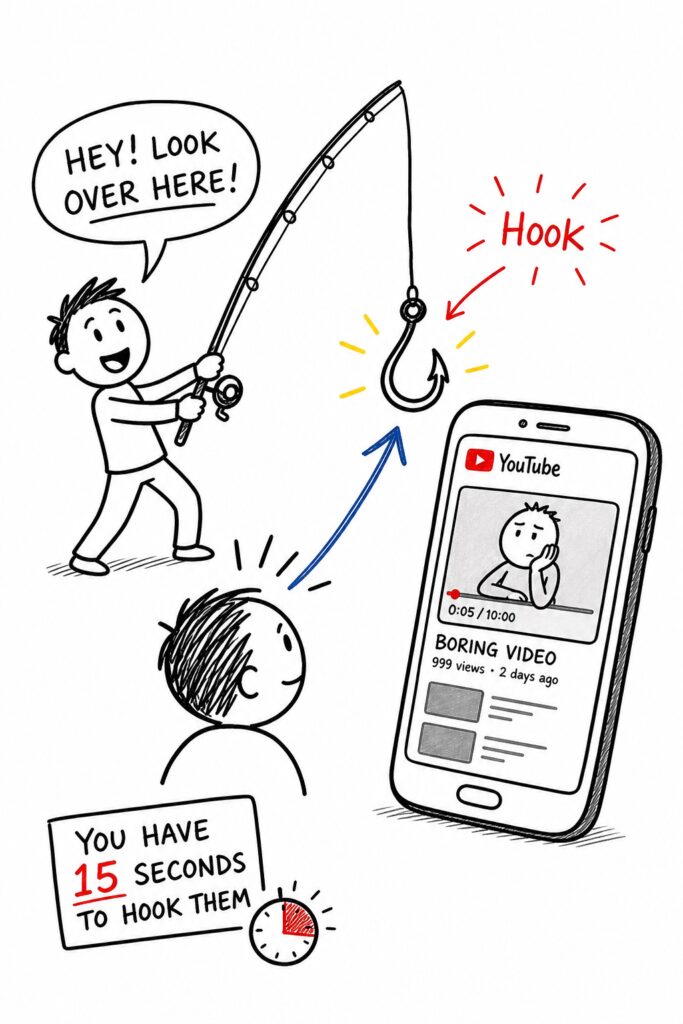
You’ve got a camera. You’ve got an idea. But when you sit down to write a script, your brain goes blank. Sound familiar? You’re not alone. Most creators struggle with structure. They ramble. They lose viewers in the first 10 seconds. And then they wonder why the algorithm hates them. Here’s the truth: The best YouTube videos aren’t accidents. They’re built on proven script structures that keep people watching. In this guide, you’ll learn four battle-tested script formats, complete with real examples you can steal. By the end, you’ll never stare at a blank page again. Table of Contents Step 1: Hook Your Audience in the First 15 Seconds Step 2: Choose a Script Structure That Fits Your Content Step 3: Write a Compelling Body with Key Points and Examples Step 4: End with a Strong Call to Action and Engagement Prompts Frequently Asked Questions Conclusion Step 1: Hook Your Audience in the First 15 Seconds Your hook is everything. If you don’t grab them in the first 15 seconds, they’re gone. YouTube’s algorithm measures viewer retention like a hawk. Low retention means your video gets buried. High retention means it blows up. But here’s the kicker: most hooks are boring. “Hey guys, welcome back to my channel.” That’s not a hook. That’s a sleeping pill. You need to start with a bold claim, a shocking stat, or a question that makes them stop scrolling. Let’s look at a real example. A tech review channel used this hook: “This $50 camera takes better photos than a $2,000 DSLR. Here’s why.” That video got 2 million views. Why? Because the hook promised a surprising truth. People wanted to know if it was real. Another example from the research: a tutorial on the Problem-Solution framework starts with a problem statement that directly addresses the viewer’s pain point. “Tired of spending hours editing videos with no results?” That’s a hook that works because it says, “I feel you, and I have the answer.” Think about it this way: your hook is a promise. You’re telling the viewer, “Watch this video and you’ll get something valuable.” If you break that promise, they leave. If you deliver, they stay. Pro Tip: Write your hook last. It sounds crazy, but it works. When you finish the script, you know exactly what the most compelling angle is. Then you can craft a hook that sums up the whole video in one punchy sentence. Now, what makes a hook stick? Three things: curiosity, emotion, and clarity. Curiosity makes them wonder what’s next. Emotion makes them care. Clarity makes them understand instantly. Without all three, your hook falls flat. Here’s a quick checklist for your hook: Start with a bang:Use a strong statement or question. Keep it under 10 seconds:If you need more time, cut it. Use specifics:Numbers, names, and concrete details beat vague claims every time. For more hook inspiration, on YouTube Hook Examples for Retention. It’s packed with examples that keep viewers glued. “The first 15 seconds decide the fate of your video. Treat them like they’re made of gold.” One more thing: test your hooks before you record. Read them out loud. If they don’t sound exciting to you, they won’t sound exciting to anyone else. Tweak until they pop. Key Takeaway: Your hook is the single most important sentence in your script. Spend 10 minutes perfecting it. Bottom line:A powerful hook in the first 15 seconds is non-negotiable for keeping viewers and boosting retention. Step 2: Choose a Script Structure That Fits Your Content Not all videos are the same. A how-to video needs a different structure than a vlog. A review needs a different flow than a storytelling video. The research we pulled shows at least eight distinct script structures used by top creators. But you don’t need to learn all eight. You need to pick the one that matches your content type. Here are the four most effective structures for 2026: 1. The AIDA Structure (Attention → Interest → Desire → Action) This is a classic marketing framework. But it works insanely well for YouTube. You grab attention with your hook. Then you build interest by showing the problem. Then you create desire by presenting your solution. Finally, you call them to action. It’s perfect for product reviews and tutorials. Example: A video titled “The Best Budget Microphone for Streaming” could use AIDA like this: Attention:“Your viewers can’t hear you because of that crappy mic.” Interest:“Here’s why most cheap mics sound terrible.” Desire:“This $50 mic sounds like a $200 one. Listen to this comparison.” Action:“Click the link below to get yours.” 2. The Hook-Content-CTA Structure (Short & Punchy) This structure is built for retention. You start with a strong hook, deliver the content, and then give a clear call to action. The research shows that the best placement for a CTA is 60-70% into the video, not at the end. Use this structure for tutorials and listicles. Example: A cooking channel might do: Hook → “This 5-minute pasta will change your life” → Content (steps) → CTA at 65% “Subscribe for more quick recipes.” 3. The Problem-Solution Structure This is all about empathy. You start by describing a problem your viewer has. Then you present the solution in a clear, step-by-step way. This structure works great for how-to and educational content. The research mentions the Problem-Solution framework from scriptstorm.ai as a key source. Example: “Are you struggling to edit videos without crashing your computer?” Then you show them how to use a lightweight editor. 4. The Four-Part Structure (Hook → Setup → Sections → Payoff → CTA) This is for deeper content like case studies or storytelling. You hook them, set the scene, break the main topic into sections, deliver the payoff (the big reveal or lesson), and then call to action. The unique tip from the research: write the hook last for this structure. 92%of top-performing YouTube videos use a clear structure, How do you choose the right structure? Ask yourself: